Source Bib Chef Apron for Hotels, Kitchens, and Cleaning Tasks
Compare 30 bib chef apron options from verified suppliers in Guangdong, China. These durable cotton and polyester blends feature custom logos, adjustable straps, and eco-friendly designs for professional kitchen and cleaning environments.
Key considerations
Products List
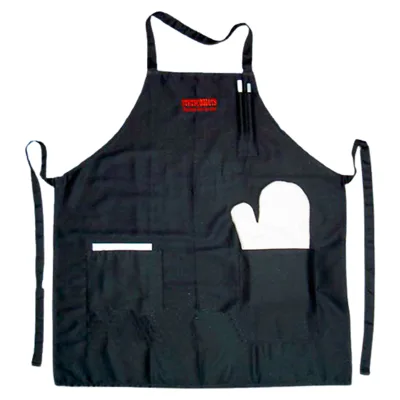


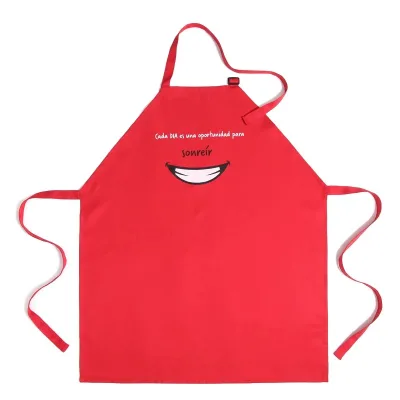
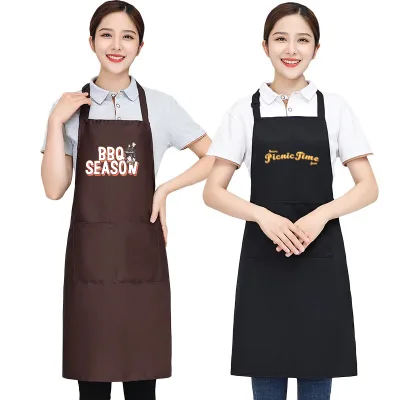


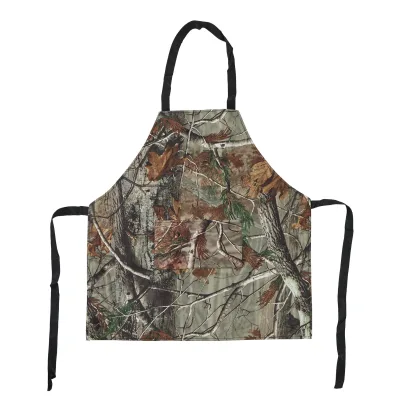
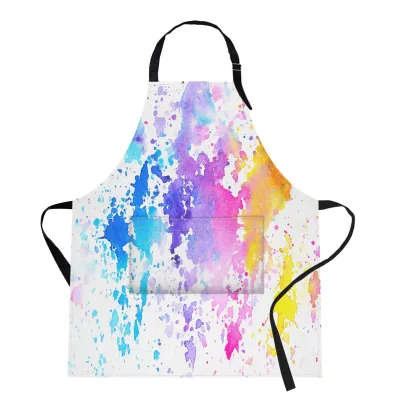
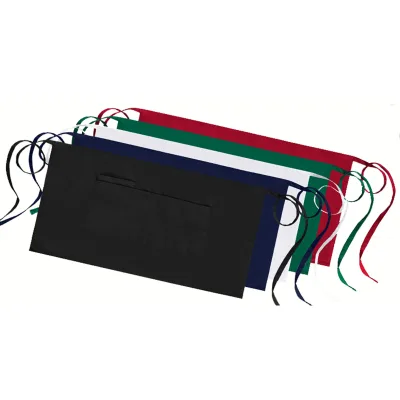
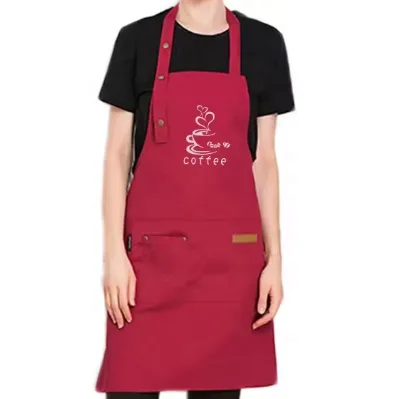


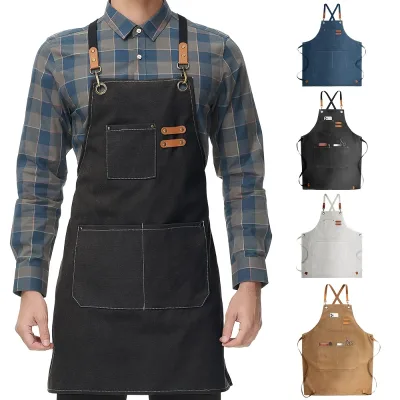
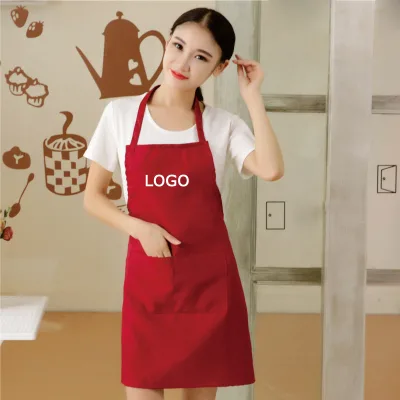
Comprehensive Sourcing Guide
Strategic Sourcing Guide for Bib Chef Aprons
Understanding Product Specifications and Material Composition
When sourcing bib chef aprons, buyers must first establish a clear understanding of the technical specifications that define the product's utility and durability. The core product category, often identified as a kitchen black bib apron, is designed primarily for professional culinary environments. A critical observation in the current market is the variation in material composition. While some listings explicitly specify 100% cotton, which is valued for its breathability and natural feel, other viable options include a blend of polyester with cotton. This hybrid material often aims to balance the comfort of natural fibers with the durability and quick-dry properties associated with synthetic blends.
The physical dimensions of the apron are equally significant for operational efficiency. Standard sizing often targets adult users, with specific large (XL) dimensions observed around 68x86cm. However, the market also supports a "Custom Size for Adults" option, allowing procurement teams to tailor dimensions to specific ergonomic needs or uniform standards. The structural design is consistently identified as a "Bib" style, featuring an all-in-one structure that covers the chest and torso. Key functional attributes include an adjustable neck strap, which ensures a secure fit across different body types, and the inclusion of pockets. These pockets are essential for holding small tools, thermometers, or notepads, enhancing the efficiency of the kitchen staff.
The single package size for individual units is typically compact, often recorded around 30x22x1 cm, which facilitates efficient storage and shipping. The gross weight per unit is generally light, approximately 0.15 kg, minimizing the logistical burden during transport. Buyers should verify that the "Single item" selling unit aligns with their packaging requirements, as some suppliers may offer bulk packing in bags within cartons, while others utilize paper boxes for retail-ready presentation.
Compliance, Certification, and Safety Standards
In the B2B procurement of kitchen textiles, verifying compliance and safety certifications is a non-negotiable step. The supply chain for bib aprons often involves rigorous testing to ensure the materials are safe for food contact and durable under frequent washing. One prominent certification observed in the market is Intertek. This third-party verification provides a high level of confidence regarding the product's quality and adherence to international safety standards. When evaluating potential suppliers, buyers should explicitly request proof of such certifications rather than relying on general claims.
Safety is a primary attribute of the product classification. The materials used must be non-toxic and safe for the workplace environment. The "Eco-friendly" feature is another critical compliance marker, indicating that the manufacturing process or the material itself adheres to environmental standards. Buyers should inquire about the specific environmental protocols used, such as dyeing processes or waste management, to ensure the product meets their corporate sustainability goals.
Furthermore, the classification of the product as "Cleaning Supplies" or "Kitchen" usage implies it must withstand harsh cleaning agents and high-temperature washing cycles without degrading. The "Durable" attribute suggests the product is engineered for longevity, but this must be validated through supplier-provided test data or sample performance. It is essential to confirm that the "Quick Dry" feature, often associated with polyester blends, does not compromise the fabric's integrity or safety when exposed to steam or hot water in a commercial kitchen setting.
Cost Drivers and Pricing Dynamics
The pricing of bib chef aprons is influenced by a complex interplay of factors, including material costs, customization requirements, and order volume. The observed price range in the market spans from $0.40 to $12.90 USD, a wide spectrum that reflects differences in quality, branding, and order quantity. Several key drivers influence where a specific product falls within this range.
First, the material composition is a primary cost determinant. 100% cotton aprons may command a different price point compared to polyester-cotton blends, depending on the quality of the cotton and the weaving technique. Second, customization plays a significant role. The availability of "Custom Logo Accepted" services adds value but also incurs additional costs for setup, printing, or embroidery. The complexity of the logo design and the number of colors involved will directly impact the final unit price.
Order volume is another critical factor. The Minimum Order Quantity (MOQ) varies significantly across suppliers, ranging from 100 pieces to 2,500 pieces. Higher MOQs typically result in lower per-unit costs due to economies of scale in production and shipping. Buyers with lower volume needs may face higher unit prices or may need to consolidate orders with other products to meet supplier thresholds. Additionally, the packaging choice—whether simple bags in cartons or premium paper boxes—affects the overall cost structure.
Typical Applications and Workplace Suitability
Bib chef aprons are versatile tools designed for a wide array of professional environments. The primary application is in commercial kitchens, where they protect clothing from spills, stains, and heat. The "Kitchen" usage classification is the most common, but the product is also suitable for hotel environments, as indicated by specific workplace attributes. In these settings, the apron serves not only a functional purpose but also a branding one, often featuring custom logos to reinforce the establishment's identity.
The "Unisex" gender classification ensures that the apron can be used by staff of any gender, simplifying inventory management for procurement teams. The "Popular" style and "Suit" classification suggest that these aprons are designed to meet current fashion trends in the hospitality industry, offering a professional appearance that aligns with modern kitchen aesthetics. The "Flexible" nature of the design allows for a range of movements, which is crucial for chefs and kitchen staff who perform repetitive tasks.
Beyond commercial kitchens, these aprons are utilized in cleaning supply contexts, serving as protective gear for maintenance staff or in industrial cleaning scenarios. The "Efficient" attribute highlights their role in streamlining workflows by keeping hands free and tools accessible via pockets. Whether in a high-volume hotel kitchen or a boutique restaurant, the apron's ability to be "Convenient" and "Safe" makes it an essential component of the staff's uniform.
Supplier Evaluation and Customization Capabilities
Selecting the right supplier requires a thorough evaluation of their capabilities, particularly regarding customization and production flexibility. A key attribute to look for is the "Customization: Available" status, which indicates the supplier's willingness to tailor the product to specific buyer requirements. This includes options for custom sizes, colors, and logos. The "All Colors Available" attribute suggests a broad palette, allowing buyers to match the apron to their brand's color scheme.
The production model numbers, such as APR-010, WXY-0662, and DSX-A-BC, indicate that suppliers often have established product lines. Buyers should verify if the specific model number aligns with their quality expectations. The "Sample: Avaliable" feature is crucial for pre-production validation. A sample arrival time of approximately 7 days allows buyers to assess the quality, fit, and finish before committing to a large order. This step mitigates the risk of receiving substandard products.
Suppliers located in Guangdong, China, are prominent in this sector, offering a robust manufacturing ecosystem. The "Lead Time" of 15 days is a standard benchmark, but buyers should confirm this against their specific project timelines. Shipping options, including "by Air or by Sea," provide flexibility in managing logistics costs and delivery speed. When evaluating suppliers, buyers should also consider the "Single gross weight" and "Single package size" to calculate accurate shipping costs and storage requirements.
Quality Control and Long-Term Procurement Considerations
Implementing a robust quality control (QC) strategy is essential for maintaining consistency in bib chef apron procurement. Buyers should establish clear criteria for durability, safety, and performance. The "Durable" and "Safe" attributes must be verified through physical testing, such as tensile strength tests for the straps and colorfastness tests for the fabric. The "Eco-friendly" claim should be backed by documentation regarding the sourcing of materials and the manufacturing process.
Long-term procurement considerations involve building a sustainable supply chain. This includes evaluating the supplier's ability to maintain consistent quality over multiple production runs. The "Standard" attributes, such as the specific dimensions of 36 x 28 x 0.05 inches (or similar metric equivalents), should be strictly adhered to. Any deviation from these standards could affect the fit and functionality of the apron.
Buyers should also consider the lifecycle of the product. The "Quick Dry" feature and the material blend should ensure that the apron remains hygienic and presentable after repeated washing. The "Adjustable" nature of the neck strap and the "All-in-one" structure contribute to the product's longevity by reducing wear and tear on specific components.
Comparative Analysis of Product Variants
To assist in decision-making, the following table compares key attributes of different product variants observed in the market. This comparison highlights the diversity in specifications and helps buyers identify the most suitable option for their needs.
| Attribute | Variant A (Cotton) | Variant B (Polyester/Cotton Blend) | Variant C (Custom/Industrial) |
|---|---|---|---|
| Material | 100% Cotton | Polyester with Cotton | Mixed/Custom |
| Size | 68x86cm (XL) | Custom Size for Adults | Adjustable for Adults |
| MOQ | 500 pcs | 100 pcs | 2500 pcs |
| Certification | Intertek | Intertek | Intertek |
| Feature | Eco-friendly, Durable | Quick Dry, Durable | Efficient, Safe |
| Packing | Paper Box | Bags in Carton | Paper Box |
| Lead Time | 15 Days | 15 Days | 15 Days |
| Sample Time | 7 Days | 7 Days | 7 Days |
This table illustrates that while the core functionality remains consistent, the choice of material and MOQ can significantly impact the procurement strategy. Buyers must weigh the benefits of 100% cotton against the practical advantages of polyester blends, such as quick drying and potentially lower cost at higher volumes.
Final Procurement Recommendations
In conclusion, sourcing bib chef aprons requires a balanced approach that considers technical specifications, compliance, cost, and supplier reliability. Buyers should prioritize suppliers who offer transparent certification data, such as Intertek, and who demonstrate flexibility in customization and sizing. The wide range of observed prices and MOQs necessitates a clear understanding of the buyer's volume needs and budget constraints. By focusing on the "Durable," "Safe," and "Eco-friendly" attributes, procurement teams can ensure that the selected aprons meet the rigorous demands of professional kitchens and hospitality environments. Regular quality checks and sample validation are essential steps to maintain high standards and build a resilient supply chain for these essential kitchen tools.
FAQs
What materials are used for bib chef aprons?
Bib chef aprons are typically made from 100% cotton or a blend of polyester with cotton. The cotton option offers breathability, while the blend provides quick-dry properties and enhanced durability for commercial kitchen environments.
Which certification ensures safety for kitchen textiles?
Intertek certification is a prominent standard used to verify the safety and quality of these aprons. This third-party verification confirms that materials are non-toxic and safe for food contact in professional culinary settings.
Can I customize the size and logo of the apron?
Yes, customization is available for both size and logo acceptance. Buyers can request custom sizes for adults and have their own logos printed on the black bib apron to match their brand identity.
What is the typical lead time for production?
The standard lead time for producing these aprons is approximately 15 days. This duration allows for manufacturing and quality checks before the goods are shipped via air or sea to the destination.
How does the minimum order quantity vary by supplier?
Minimum order quantities range from 100 pieces to 2500 pieces depending on the specific supplier and product model. Higher volumes often result in lower per-unit costs due to economies of scale in production.
What is the weight and package size for shipping?
Each single item weighs approximately 0.15 kg and has a package size of 30x22x1 cm. This compact packaging facilitates efficient storage and reduces logistical burdens during international transport.